Mountain Cabin Lake Nature Design: Capture the Serenity of the Wilderness
There is a specific, almost magnetic quality to designs that evoke the quiet majesty of the great outdoors. Whether it is the rugged silhouette of a pine forest against a twilight sky or the placid surface of a mountain lake, these visuals tap into a universal desire for peace and authenticity. If you are building a brand or creating content that speaks to nature, adventure, or rustic living, your typography and graphic assets need to do more than just sit on the page—they need to transport your audience. That is exactly where a comprehensive design package centered on wilderness themes becomes an indispensable tool in your creative arsenal.
The Power of Visual Storytelling in Rustic Branding
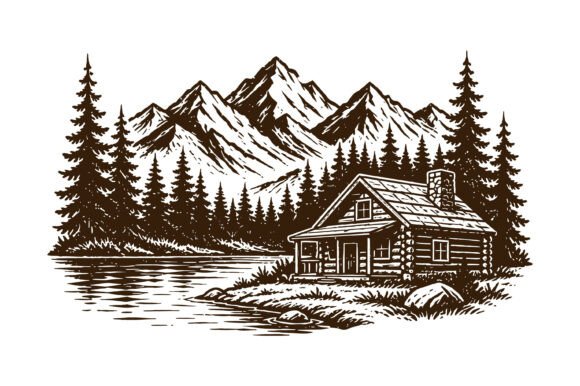
When we talk about the Mountain Cabin Lake Nature Design, we are discussing more than just a collection of images; we are talking about a visual language. This specific aesthetic relies on organic textures, earthy color palettes, and compositions that mirror the tranquility and grandeur of nature. For a designer or small business owner, having access to a cohesive set of assets—ranging from intricate forest landscapes to minimalist cabin icons—allows you to build a narrative without saying a word.
Visual consistency is the bedrock of brand recognition. If you are an outdoor gear retailer, a travel blogger, or a real estate agent specializing in vacation rentals, your audience expects a certain vibe. They want to feel the crisp mountain air or the warmth of a fireplace just by looking at your logo or website header. By utilizing a unified design package, you ensure that every touchpoint, from your social media profile picture to your email signature, tells the same story. This eliminates the visual dissonance that can make a brand feel amateurish or disjointed.
Practical Applications for Every Creative Project
The versatility of a well-curated nature design set is one of its strongest selling points. Because these assets are delivered in multiple formats—SVG, PDF, JPEG, PNG (Transparent), EPS, and AI—you are not limited to one medium. You have the flexibility to adapt the artwork to fit the specific technical requirements of your project, whether you are working in Adobe Illustrator for vector manipulation or Canva for quick social media posts.
Let us break down how you can practically apply these designs across your workflow:
- Logo Design & Brand Identity: A transparent PNG of a mountain range or a lake reflection is perfect for layering over text or photos. It serves as a strong foundation for a logo, instantly communicating stability and nature.
- Packaging Design: For small businesses selling artisanal goods—like coffee, candles, or skincare—rustic packaging is a huge selling point. An editable EPS file allows you to scale the design to fit anything from a small box to a large shipping container without losing quality.
- Merchandise & Apparel: T-shirts, tote bags, and hats thrive on bold, clean graphics. The vector formats (SVG and AI) are essential here, as they ensure your prints are crisp and production-ready for screen printing or embroidery.
- Social Media & Web Graphics: In the fast-paced world of Instagram and Pinterest, a scenic background can stop the scroll. Use these assets as backgrounds for quotes, story templates, or website hero images to create an immersive digital experience.
- Print Materials & Editorial Layouts: Brochures, menus for a farm-to-table restaurant, or invitations for a rustic wedding benefit immensely from high-resolution nature motifs that add a layer of sophistication and thematic depth.
Matching Typography to the Wilderness Aesthetic
While the graphic elements provide the scenery, the typography provides the voice. When working with a nature-centric design, the choice of font is critical. You want typefaces that complement the organic feel of the imagery rather than clash with it.
For a Mountain Cabin Lake Nature Design aesthetic, consider the following typographic pairings:
- Serif Fonts: A sturdy, classic serif font can evoke a sense of history and tradition, perfect for a heritage lodge or an established outdoor brand. Look for typefaces with slightly rough edges or "ink trap" details to avoid looking too sterile.
- Sans Serif Fonts: Modern, clean sans serifs work surprisingly well with nature themes, especially if your brand leans toward "modern rustic" or sustainable tech. They provide excellent readability for body text on websites.
- Handwritten & Script Fonts: These are excellent for headers or accents to add a personal, human touch. However, use them sparingly. A script font used for an entire paragraph will kill readability. Reserve it for logos or pull-quotes to maintain that handcrafted feel.
The goal is to strike a balance. If your background image is a complex, detailed forest landscape, use a simpler, bolder font so the text remains legible. Conversely, if you are using a minimalist line-art cabin icon, you can afford to use a more decorative display font for your headlines.
Streamlining Your Workflow with Editable Assets
One of the most frustrating aspects of design work is finding the perfect asset only to discover it is flattened or low-resolution. This is why the inclusion of editable files like AI (Adobe Illustrator) and EPS is so valuable. These formats give you complete control over the design elements.
You can change the colors to match your specific brand palette—perhaps turning a green forest into a monochromatic grayscale for a sleek, modern look, or adjusting the blues of the lake to match a specific hex code. You can isolate specific elements, such as removing a cabin to focus solely on the mountain range, or combining elements from different files to create a completely new composition. This level of customization ensures that your final product is unique to your brand, rather than looking like a generic template used by everyone else.
Commercial Licensing and Professional Presentation
For entrepreneurs and freelancers, the utility of a design asset is heavily tied to its licensing. A "personal use only" license is limiting if you intend to sell products. When investing in design assets, ensuring you have the rights for commercial use is non-negotiable. This allows you to confidently apply the Mountain Cabin Lake Nature Design to client work, merchandise, or digital products you sell, without fear of copyright infringement.
Furthermore, professional presentation builds trust. A cohesive visual identity, supported by high-quality graphics, signals to your audience that you care about the details. It bridges the gap between a hobby and a business. When a potential customer sees a beautifully designed logo on a well-crafted menu or a professional-looking social media feed, they are more likely to perceive the brand as credible and worth their investment.
Final Thoughts on Elevating Your Nature-Themed Projects
Ultimately, the goal of any design asset is to solve a problem and enhance your creative output. Whether you are a digital nomad looking to brand your travel vlog, a crafter designing labels for homemade jam, or a graphic designer working on a client's outdoor festival poster, having a robust library of nature-themed vectors and graphics saves time and elevates the final result. By combining these scenic assets with thoughtful typography and a clear brand strategy, you create visuals that resonate deeply with your audience, capturing the timeless allure of the mountain, the cabin, and the lake.